Concrete Contractor in San Ramon, CA - Slabs Built for Expansive Soil
Walnut Creek Concrete Works is a concrete contractor building driveways, patios, steps, retaining walls and foundations in San Ramon. I look at every job myself, and my crew and I dig out and pack the base before we pour.
- Fully licensed and insured.
- Free in-person estimates.
- We reply within 1 business day.
San Ramon homes and the concrete around them
San Ramon is a short run down the 680 from our base in Walnut Creek, and most of the work here is around the house: a driveway that's lifted at the garage, a backyard patio that holds water, front steps pulling away from the porch. The older parts of town have single-story homes on flat lots with concrete that's been down a long time, while the newer neighborhoods climb the hills with bigger driveways, pool decks and walls holding back the slope.
Those two kinds of lot call for different jobs. On the flat older lots it's usually a tear-out and a better base under the new slab, and on the hillside lots it's grading, drainage and walls that have to carry the weight of the slope behind them.
Concrete work we do on San Ramon homes
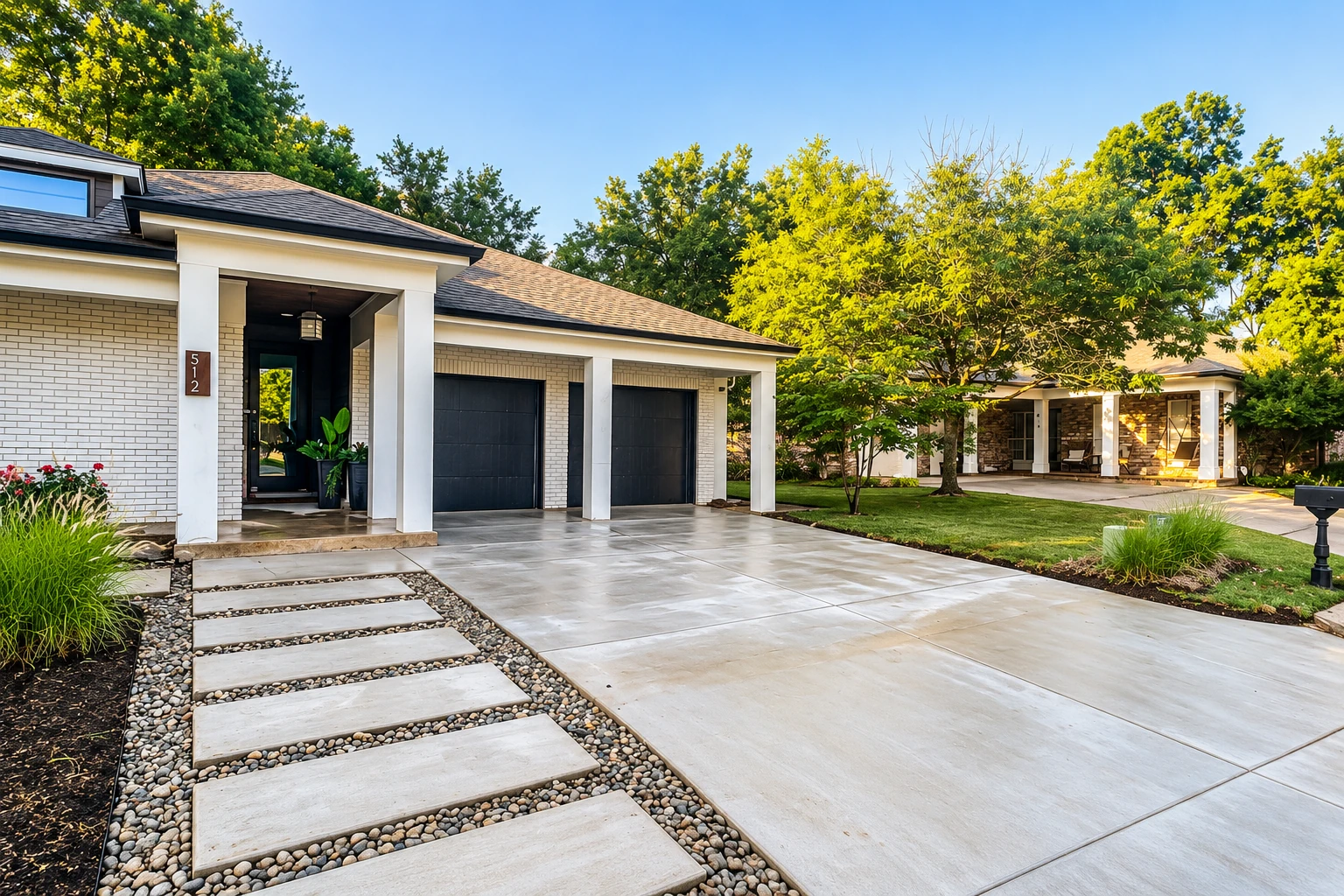
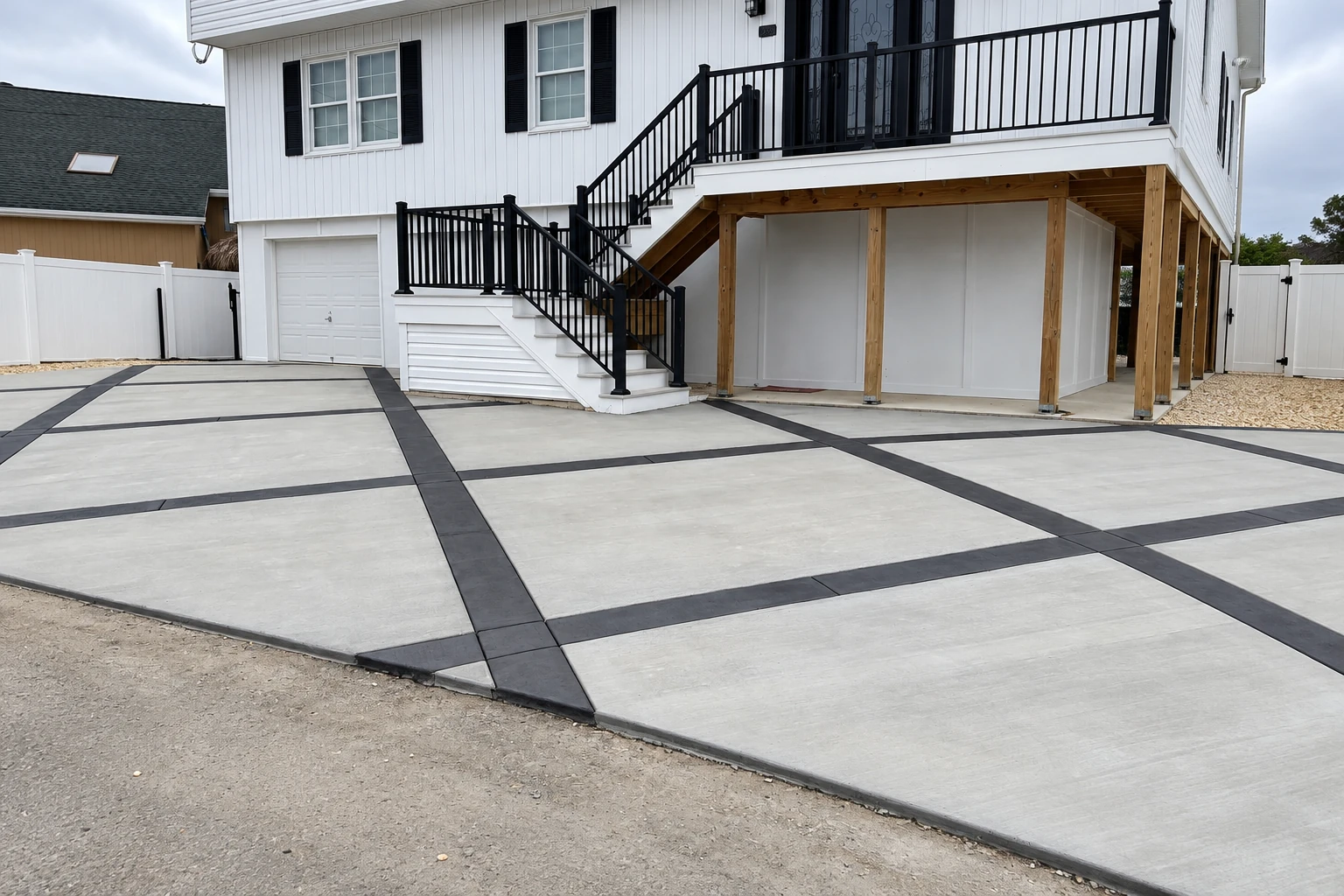
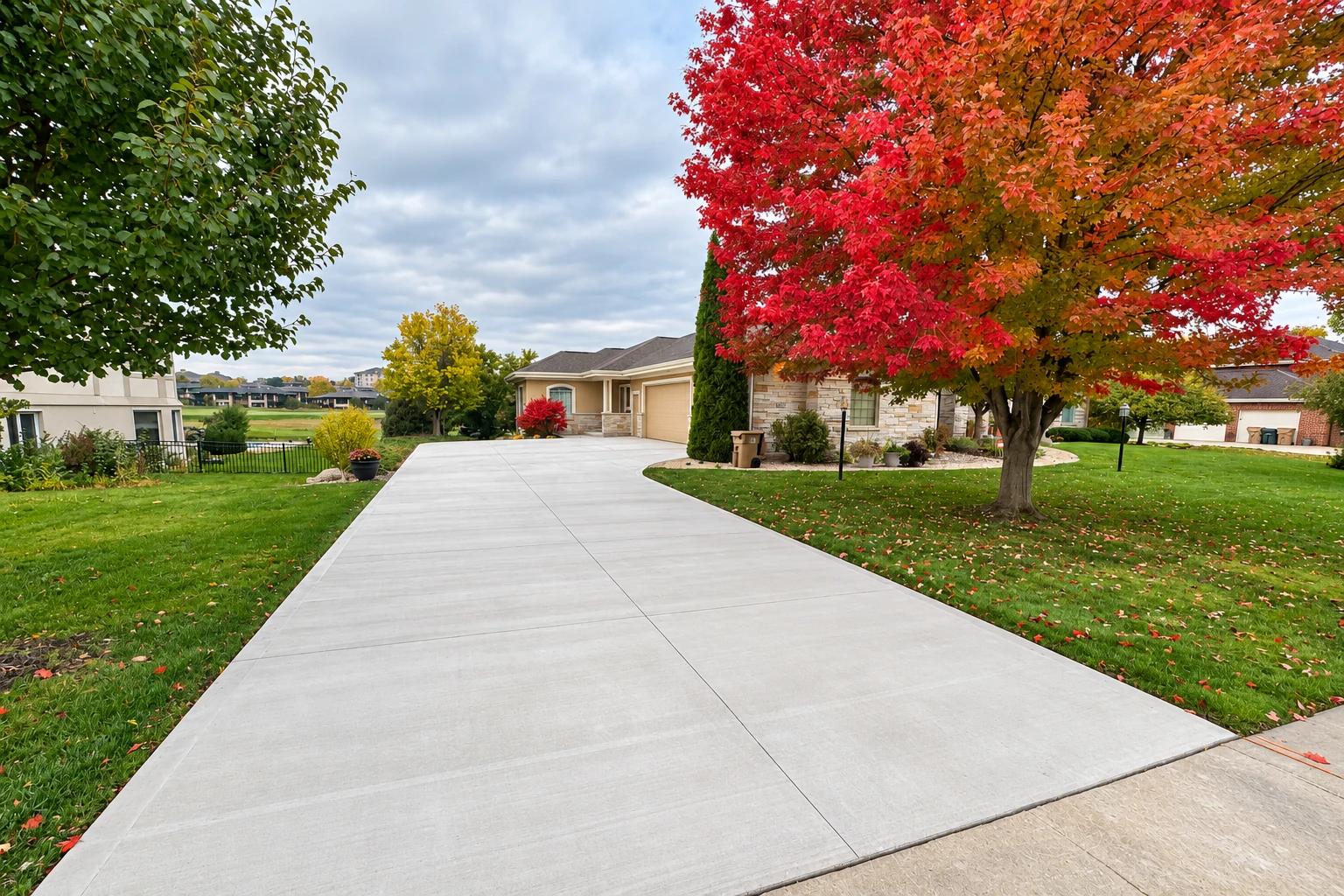
Concrete driveway building
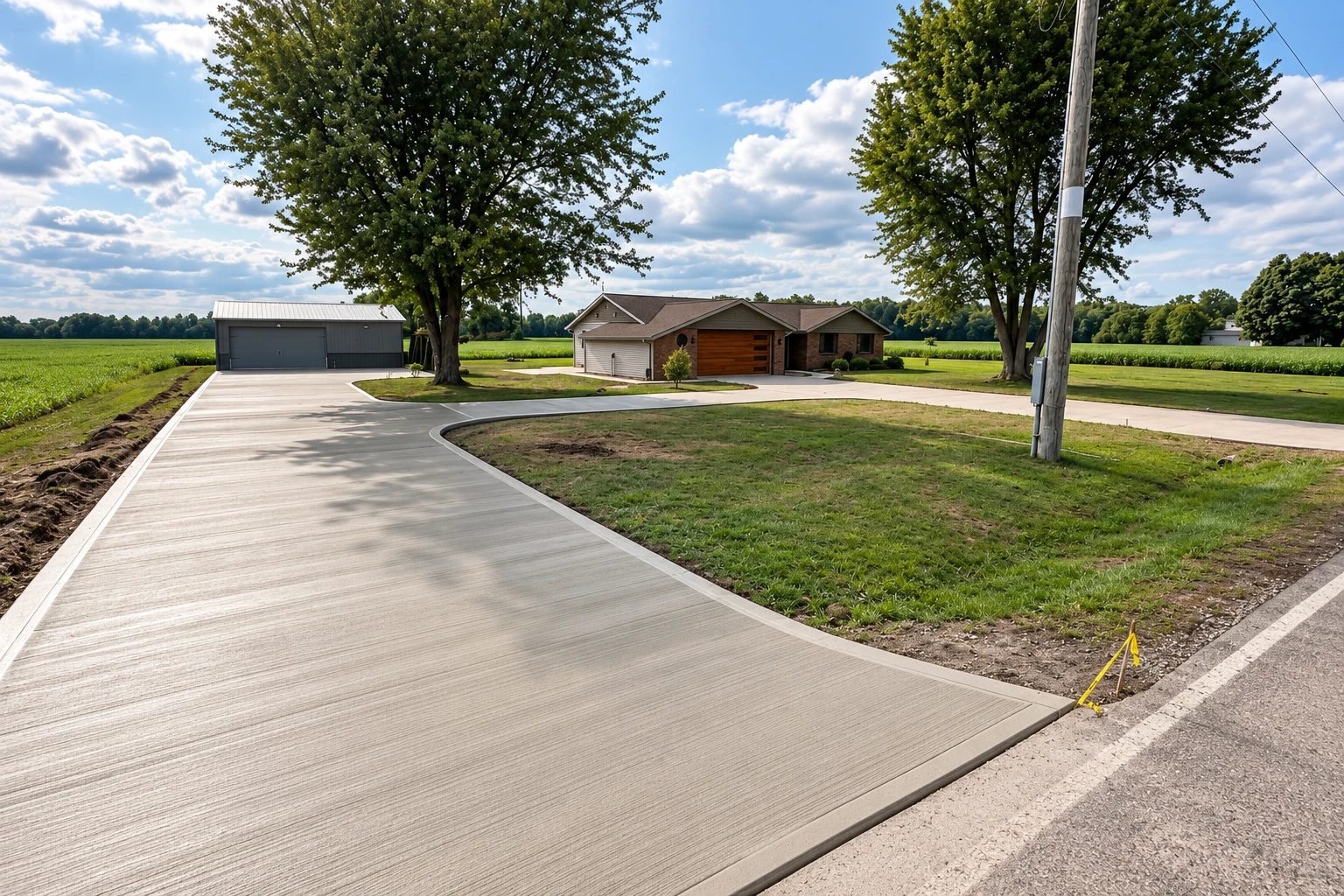
When an older driveway has cracked and lifted near the garage, we tear it out, dig down to firm ground and pack a new base.
Concrete patio construction
Backyard patios here often hold water against the house after rain. We slope a new one away from your walls so it drains into the yard instead.
Stamped concrete services
Stamped concrete gives a patio or front walk the look of stone or brick in one pour, a good match for many of the newer homes here.
Concrete sidewalk building
Front walks that have heaved over tree roots turn into a trip hazard. We replace the broken sections and set the new ones level with what stays.
Garage floor concrete
An old garage slab that's cracked or sloping toward the house can go back in pitched toward the door, with a finish that sweeps clean.
Decorative concrete
Color, exposed stone and saw-cut patterns can dress up an entry or a backyard without the upkeep of pavers, which tend to shift and sprout weeds.
Concrete retaining walls
Hillside lots here often need a wall to hold back a cut slope. We build it with drainage behind it, because trapped water is what pushes walls over.
Concrete floor installation
For a garage conversion, a workshop or a new room, we pour the floor over a plastic vapor barrier so ground moisture doesn't wick up through it.
Concrete pool decks
Pool decks here take hard summer sun and bare feet. We give them a textured finish that grips when wet and drains away from the pool.
Concrete steps construction
Front steps that have sunk or pulled away from the porch get torn out and rebuilt on footings, with even risers so nobody catches a toe.
Slab foundation building
A new garage or addition on a slab is only as good as the packed ground under it, so that's where we spend our time first.
Foundation installation
For an addition or a rebuild, we form and pour the foundation to your engineer's plans and have it ready for the inspector before framing starts.
Concrete parking lot building
Small lots for offices, shops and HOA common areas need a thicker slab with steel inside, because cars turning all day tear up a thin one.
Concrete footings
Decks, sheds, fences and patio covers all sit on footings. We dig them to firm soil so the posts above don't lean or sink after a wet winter.
Foundation raising
When a corner of the house has dropped and doors stick, I find out why it moved first, then tell you straight whether lifting it is worth it.
Concrete cutting
We saw-cut bad sections, trenches for new lines and openings for doors, so a repair doesn't mean tearing out the whole slab.
Get a free written estimate for your San Ramon project
Send the form and we'll get back to you within one business day. I'll come out to look at the site and give you a free written estimate, with no obligation to go ahead.
- Based in
- Walnut Creek, CA 94596
- Hours
- Mon–Fri: 7 AM–11 PM, Sat–Sun: 6 AM–10 PM
Permits, licenses and pricing for San Ramon jobs
Building permits in San Ramon come from the city's Building & Safety office, and if your job needs one, I'll tell you at the estimate and we'll handle the application, so the pour date waits on the permit and not the other way around. Before you hire anyone, check that they hold a license from the Contractors State License Board, the state office that licenses anyone who builds or alters structures in California. We're fully licensed and insured, and I cover when that license applies in the questions below.
Jobs here run a lot like the ones we do in Danville and Alamo, with newer homes, longer driveways and backyards the truck can't always reach. The price moves with the size of the job, how much old concrete comes out, how much digging and base the ground needs, whether we can pour straight from the truck or have to pump it in, and the finish you pick. The schedule turns on the permit, if there is one, and on the weather for pour day. Your written estimate breaks each of those out for your property.
Soil and heat that wear on San Ramon concrete
The city's building code treats expansive soil as a condition across San Ramon, not something on a few lots. It's clay that swells when the rains come and shrinks back in summer, and that push and pull is what lifts driveways at the garage door and splits patios down the middle. We can't stop the ground moving, so we dig past the soft top layer, pack a real base, set rebar, the steel that holds the slab together if it does crack, and cut control joints, shallow grooves that give a crack a straight place to go.
Summer afternoons here get hot, and concrete poured in the midday sun sets too fast on top and turns weak and dusty later. We pour early and keep the slab damp while it cures, the days it needs to gain strength before you use it, because rushing that wait is how a good mix ends up a bad surface.
How a concrete job runs when you call us in San Ramon
Here's how it goes from your first call to the final walk-through, and what you'll know at each step before any concrete is poured.
Call or send us a message
Call (925) 532-0140 or use the form, and we'll set a time for me to come see the site. It helps if you can be there, so I can ask how you'll use the space.
I look over your site
I check the soil, where the water runs and what has to come out, then write up an estimate that lists the tear-out, the base, the concrete and the finish separately. You see where the money goes before you decide anything.
We sort permits and plans
If the job needs a permit, an engineer or a designer, we get that lined up before we put you on the schedule. An addition or a remodel may also need the city's planning approval before the building permit is issued, which adds time up front.
We pour, then walk it together
My crew and I do the work with me on site, from digging out through the finish and cleanup. When it's done we walk it with you and go over how long to stay off it while it cures.
Questions about concrete work in San Ramon
Why do concrete driveway estimates in San Ramon vary so much?
Most of the gap comes from what goes under the slab, not the concrete on top. A low bid often rakes the old dirt level and pours on it, while we dig out the soft soil and pack a real base, which costs more on day one and is what keeps the slab from settling with the dirt. When you compare estimates, ask each contractor how deep they dig and how they pack the base, because ours lists it as its own line.
How do I find out if my concrete project needs a permit in San Ramon?
The quickest way is to ask me at the estimate, because I check your job against what the city requires before we schedule it. San Ramon's list of permit-free work covers things like short retaining walls and small decks, and it doesn't settle patios, driveways or slabs by itself. The city also says an exemption is no excuse for work that breaks the code, so we build to code whether a permit is involved or not.
Does a retaining wall need a permit in San Ramon?
A retaining wall in San Ramon needs no permit if it's 4 feet tall or less, measured from the bottom of its foundation to the top of the wall. That exemption doesn't apply when the wall holds back extra weight, which the city says includes a cut into a hillside, or when the lot is in an engineered grading development such as Dougherty Valley. Plenty of walls here hold back a slope, so I check yours against the city's permit-free list at the estimate.
Do I need a permit for a shed in San Ramon?
Yes, if it's over 120 square feet, because San Ramon requires a building permit for any accessory building that size. A shed of 120 square feet or less needs no building permit as long as no electrical or plumbing work is planned. If you want a concrete pad under it, tell me at the estimate and I'll find out what the city wants for your setup.
When does a contractor need a state license in California?
A contractor needs a California license when the job requires a building permit, uses any additional workers, or costs $1,000 or more in labor and materials. The state board lists a job as possibly exempt only when no permit is required, no employees work on it and the combined value is under $1,000. A new driveway, patio or retaining wall is well past that, so whoever you hire should be licensed, and the board's licensing rules lay out the details.
What is the best way to keep a new concrete patio from cracking?
The best way is to accept that concrete moves and decide where it cracks, because no slab on San Ramon's clay is crack-proof. That means a packed base, a slope that sends water away from the house, joints cut the same day so cracks follow the grooves, and keeping the slab damp while it cures. Done that way, the cracks that do show up should sit in the joints where you'll hardly notice them.
Ask about your San Ramon concrete project
I answer my own phone, so you'll talk with the person who'll be on your job about the work and any permit steps it needs.